
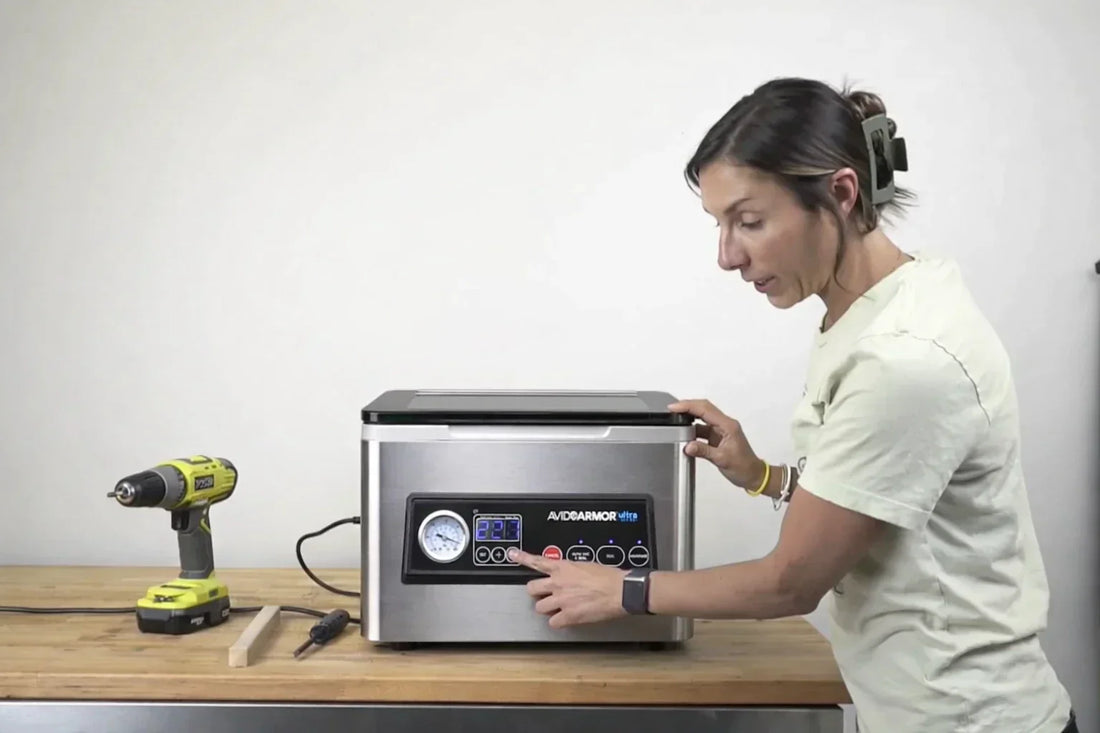
If you want the short answer, Vacuum sealer maintenance should happen in layers: clean the machine after every use, inspect key wear points weekly or monthly depending on how often you seal, and replace consumable parts as soon as they show heat damage, stretching, or sealing problems. A simple schedule like this protects seal quality, helps prevent weak vacuum performance, and extends the life of the machine.
That matters more than most people realize. Whether you seal bulk beef, freezer meals, fish, garden produce, or sous vide portions, small maintenance habits make a big difference in consistency. A machine that looks “mostly fine” can still have a dirty sealing bar or a worn gasket that quietly causes failed seals and wasted food.
Why maintenance matters more than most owners think
Vacuum sealers work in a high-moisture, high-heat environment. Protein juices, marinades, crumbs, and condensation all collect where seals are made. Over time, that buildup interferes with vacuum strength and seal integrity.
Consistent Vacuum sealer maintenance helps you avoid the most common problems:
-
Weak seals caused by debris, moisture, or worn seal tape
-
Air leaks caused by flattened or cracked gaskets
-
Pump strain caused by contaminated oil in chamber units
-
Food waste caused by bags that look sealed but slowly lose vacuum
-
Unexpected downtime when a worn part fails during a big prep session
If you regularly use a vacuum sealer for meat, maintenance becomes even more important because raw meat juices and fat residue can build up fast around the seal zone and chamber.
The Vacuum sealer maintenance schedule that actually works
The best schedule is simple enough to follow every time, but thorough enough to catch wear before performance drops.
After every use: do the fast clean that prevents most problems
This takes just a few minutes and prevents the majority of sealing issues.
-
Wipe the sealing bar with a soft, slightly damp cloth after the machine cools
-
Clean the chamber or vacuum trough to remove crumbs, liquid, and food particles
-
Dry the gasket area so moisture does not sit on sealing surfaces
-
Check for debris in the vacuum groove before putting the machine away
-
Never use abrasive cleaners or rough scrub pads on sealing surfaces
If you use a vacuum sealer for meat often, pay extra attention to moisture and protein residue. Those are two of the biggest reasons home users start seeing inconsistent seals.
Weekly for frequent users, monthly for lighter users: inspect the wear points
This is where good owners save themselves from surprise failures.
Look closely at these parts:
-
Gaskets: If they look cracked, compressed, stretched, or no longer spring back, they are wearing out
-
Teflon tape: If it looks browned, burned, wrinkled, or torn, replacement is near
-
Seal quality: If bags need repeat sealing, the wear parts may already be past their prime
Good Vacuum sealer maintenance is also about catching small changes early. You do not need to wait for a total breakdown. If the lid closes differently, the vacuum feels weaker, or the seal line looks uneven, inspect the machine right away.
Replace wearable parts before they cost you food
The most overlooked maintenance mistake is waiting too long to replace inexpensive parts.
Here is when replacement usually makes sense:
Replace Teflon tape when:
-
It is burned, darkened, or torn
-
It no longer sits tight and smooth on the seal bar
-
Seal lines look inconsistent
Replace gaskets when:
-
They are stretched or loose
-
They have cracks or flat spots
-
The machine struggles to hold vacuum
Replace the heating element or complete seal bar when:
-
Seal quality drops even after cleaning
-
The wire looks damaged
-
You notice incomplete or weak seals across multiple bags
A busy commercial vacuum sealer should always have basic replacement parts on hand. Spare tape, gaskets, and seal components are inexpensive compared with the cost of ruined food or interrupted prep.
Smart habits that add years to your machine
The best-performing owners usually follow a few simple habits:
-
Use enough bag headspace so the seal area stays clean and wrinkle-free
-
Let warm foods cool first to reduce vapor and moisture problems
-
Clean spills immediately before residue dries on internal surfaces
-
Follow model-specific storage guidance so gaskets are not stressed unnecessarily
-
Keep a small seal kit nearby for quick maintenance instead of emergency troubleshooting
Even a basic food sealer machine lasts longer when you treat maintenance as part of the sealing process, not something you do only after a problem appears.
Which users need the strictest schedule?
Not every household needs the same routine.
You should tighten your schedule if you are:
-
Buying meat in bulk
-
Sealing soups, sauces, or marinades
-
Using the machine several times a week
-
Running a small food business
If that sounds like you, a well-maintained food sealer machine will give you stronger seals, better freezer protection, and fewer frustrating re-dos.
In the end, Vacuum sealer maintenance is less about “repair” and more about consistency. A quick clean after each use, a regular inspection of gaskets and seal tape, and on-time oil changes for chamber units can prevent most seal failures before they start. If you build those steps into your routine, your machine will stay more reliable, your food will stay protected longer, and your next sealing session will feel a lot less like troubleshooting.